Comprehensive Guide to International Air Freight Rates and Optimizing Global Shipping
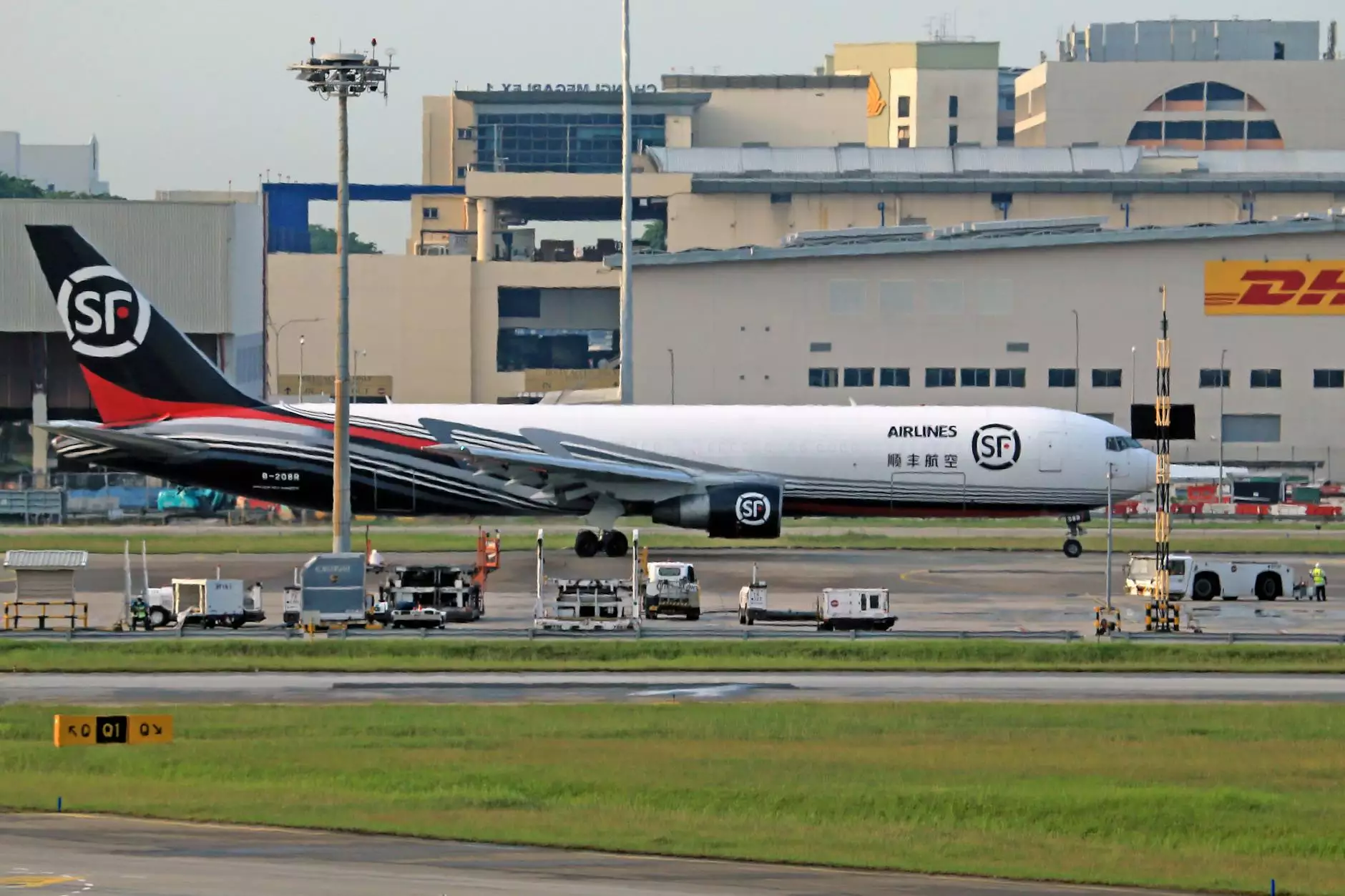
In the rapidly globalizing world economy, international air freight rates play a pivotal role in determining the cost-effectiveness and efficiency of worldwide shipping operations. As one of the most reliable and fastest modes of transportation for high-value and time-sensitive cargo, understanding the intricacies of these rates is crucial for businesses aiming to optimize their supply chain and enhance competitiveness.
Understanding the Fundamentals of International Air Freight Rates
International air freight rates are the charges levied by airlines and freight forwarders for transporting goods across borders via air transportation. These rates are influenced by a multitude of factors that encompass market conditions, fuel prices, aircraft capacity, and logistical considerations. To fully grasp how these rates are formulated, it is essential to examine each contributing element in detail.
The Primary Components Influencing Air Freight Rates
- Weight and Volume: The most significant determinant of air freight costs is the actual weight or volumetric weight of the cargo. Since airlines often charge based on the larger of the two, understanding volumetric weight calculations is critical.
- Distance: The total mileage between the origin and destination airports directly impacts the rate. Longer hauls typically incur higher costs due to fuel, crew, and operational expenses.
- Fuel Surcharges: Fuel prices are highly volatile, and airlines adjust their rates with fuel surcharges to offset fluctuating costs.
- Market Demand and Capacity: High demand periods or capacity constraints can lead to increased rates. Conversely, low-demand periods may offer more competitive pricing.
- Type of Cargo and Special Handling: Perishable goods, hazardous materials, and oversized cargo often attract additional fees because of the extra logistics or safety considerations involved.
- Booking Lead Time: Advanced planning can unlock discounted rates, whereas last-minute bookings tend to cost more.
The Significance of Accurate Rate Calculation in International Shipping
Accurate calculation of international air freight rates ensures transparency, cost-efficiency, and a smooth logistics process. Shipping companies that understand the precise factors influencing these rates can better negotiate contracts, plan budgets, and offer competitive pricing to their clients. Incorrect estimates can result in unexpected expenses, delays, or loss of business credibility.
How to Optimize International Air Freight Rates for Your Business
Optimizing international air freight rates involves strategic planning, leveraging technological tools, and building strong partnerships within the logistics industry. Below are essential strategies to achieve cost-effective international shipping:
1. Volume Consolidation
Cargo consolidation involves grouping shipments from multiple clients into a single shipment. This approach maximizes space efficiency and often qualifies for volume discounts, significantly reducing per-unit costs.
2. Advanced Booking and Scheduling
Planning shipments well in advance allows access to lower rates and better scheduling options. Airlines often offer discounted rates for bookings made weeks or even months ahead of the desired shipping date.
3. Utilizing Route Optimization
Routing goods via the most efficient and least congested airports reduces transit times and costs. Working with experienced freight forwarders can help identify optimal routes and transfer points.
4. Leveraging Technology and Data Analytics
Modern logistics platforms like cargobooking.aero provide real-time data on international air freight rates, route performance, and capacity availability. Using these tools enables smarter decision-making and proactive rate management.
5. Building Strong Partnerships with Reliable Carriers
Long-term agreements with trusted airlines and freight forwarders can unlock preferential rates, priority booking, and access to flexible terms that benefit your overall cost structure.
6. Negotiating Contracts and Rate Agreements
Negotiation plays a pivotal role in cost control. By understanding market trends and volume commitments, shippers can secure tailored contracts with favorable rate clauses and service levels.
Key Challenges in Managing International Air Freight Rates and How to Overcome Them
Despite the best strategies, managing international air freight rates presents challenges that require proactive solutions:
- Volatility of Fuel Prices: Should be mitigated through fixed-rate agreements or fuel surcharges managed via contractual clauses.
- Regulatory Changes: Customs, tariffs, and compliance requirements are constantly evolving. Staying updated ensures compliance and avoids unexpected costs.
- Capacity Fluctuations: During peak seasons, limited capacity can inflate rates. Advanced planning and diversification of routes help mitigate this issue.
- Disruptions and Delays: Weather, strikes, or geopolitical issues can affect schedules and pricing. Building flexibility into logistics plans reduces negative impacts.
The Role of CargoBooking.aero in Facilitating Better Air Freight Rate Management
At the forefront of innovative logistics solutions, cargobooking.aero offers a comprehensive platform designed to simplify the process of managing international air freight rates. Leveraging technology, the platform provides:
- Real-Time Rate Comparison: Access up-to-date prices from multiple carriers to make informed decisions.
- Advanced Route Planning: Identify optimal routes that balance cost, speed, and reliability.
- Automated Quotation Services: Streamline quote requests and receive instant pricing information.
- Capacity Tracking: Monitor capacity trends across airports and airlines to secure bookings during peak periods.
- Data Analytics and Reporting: Comprehensive insights empower strategic planning and cost control.
The Strategic Importance of Shipping Centers, Transportation, and Airports in International Air Freight
Shipping Centers as Logistics Hubs
Modern shipping centers act as vital nodes within the global supply chain, offering warehousing, customs clearance, and transshipment services. Effective utilization of these centers minimizes delays and facilitates cost savings by enabling smooth cargo transfer and consolidation.
Transportation Networks and Their Impact
Efficient land transportation—from trucking to rail—complements air freight by ensuring seamless cargo movement from origin to airport and from destination airport to final delivery points. Integrating multimodal transportation options helps optimize overall international air freight rates.
Airports as Critical Infrastructure
The choice of airport significantly affects international air freight rates. Larger, well-connected airports tend to offer more frequent flights, better logistical facilities, and competitive pricing. Investing in infrastructure and operational efficiency at airports contributes directly to reducing costs and delivering better service to shippers.
Future Trends in International Air Freight Rates and Global Logistics
The landscape of international air freight is ever-evolving, driven by technological innovation, regulatory changes, and shifting market demands. Look out for the following trends:
- Rise of Digital Platforms: Increased adoption of online booking and real-time rate comparison tools like cargobooking.aero will continue to revolutionize cost management.
- Green Logistics Initiatives: Environmental regulations and sustainability efforts may influence operational costs and, consequently, freight rates.
- Emergence of New Trade Corridors: Development of new airports and transshipment hubs will diversify route options and affect pricing structures.
- Advanced Data Analytics: Predictive analytics will enable better forecasting of rate fluctuations, helping businesses plan proactively.
Conclusion: Navigating the World of International Air Freight Rates for Success
Understanding the complexities behind international air freight rates is fundamental for any business engaged in global trade. From the foundational factors that influence costs to the strategic approaches for optimization, an informed and proactive approach can lead to significant savings, improved service quality, and competitive advantage. Leveraging innovative platforms like cargobooking.aero enables modern shippers to stay ahead of market changes, access real-time data, and forge strong partnerships within the vast logistics network.
Whether managing transportation through reputable airports, utilizing efficient shipping centers, or orchestrating seamless land connections, optimizing every aspect of your logistics chain will unlock tangible benefits. In a world where speed, reliability, and cost-efficiency are paramount, mastering the art of managing international air freight rates will empower your business to thrive in the global marketplace.
Embrace the future of logistics today, and transform your shipping strategy into a competitive edge that fuels your growth worldwide.